Professional Residential Electrician for Safe and Optimized Solutions
A capable residential electrician takes on an vital role in maintaining the security and peak performance of power grids in residences. These knowledgeable experts are prepared to manage assembly, corrections, and enhancements, upholding compliance with safety regulations and local codes. Standard problems, like flickering lights or faulty circuits, frequently demand expert support. Grasping the nature of their services raises key concerns about protection, consistency, and overall well-being of a property's electrical framework. What should homeowners think about before hiring?
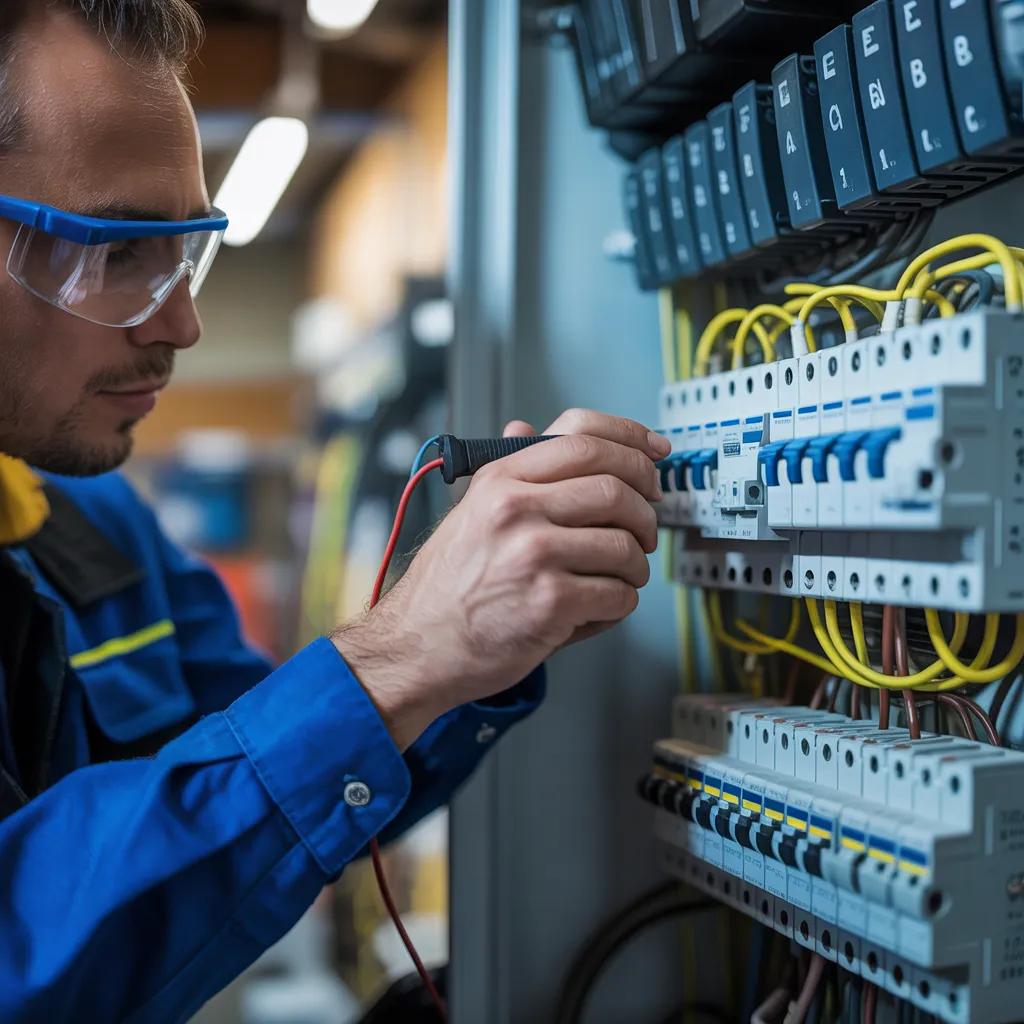
What Precisely Does a Residential Electrician In Reality?
A residential electrician concentrates on the installation, maintenance, and repair of electrical systems within homes. Their key duties include wiring, circuit installation, and the setup of lighting fixtures. They also diagnose electrical issues, making sure that systems operate efficiently and safely.
In addition to these tasks, residential electricians conduct routine assessments to detect potential hazards and verify compliance with relevant codes. They often upgrade existing systems to support new appliances or technology, thereby boosting a home's functionality.
Moreover, they deliver worthwhile consultation services, assisting homeowners discover power-saving options and modern electrical approaches. A residential electrician equally engages with other contractors during renovations or new constructions, confirming that electrical work coordinates effectively with other aspects of the project. By implementing technical equipment and respecting industry standards, they sustain a crucial position in ensuring a safe and reliable electrical environment in residential settings.
Safety Guidelines in Electrical Tasks: Key Facts for Homeowners
How can homeowners ensure their power infrastructure stay safe and compliant? Understanding safety requirements is essential. Electrical codes, such as the National Electrical Code (NEC), serve as a guideline for safe installations and procedures. Homeowners should ascertain their systems meet these requirements to minimize dangers of fire hazards and shocks.
Routine inspections by a certified electrician can help identify potential hazards. Electricians are trained to adhere to local regulations and establish safety protocols. Homeowners should also be aware of proper load capacities to prevent overload, which can cause overheating.
Additionally, implementing approved supplies and components is crucial for ensuring protection. Homeowners must focus on the installation of GFCI outlets in wet areas and validate smoke detectors are working. By keeping informed and proactive about electrical safety standards, homeowners can notably decrease risks and deliver a protected household setting.
Common Electrical Issues and How Professionals Solve Them
Homeowners often face various electrical problems that can create hazards to safe operation and performance. Common problems consist of flickering lights, breakers that trip, and outlets that fail to work. These problems can be caused by outdated wiring, circuits carrying too much load, or defective devices.
Power surges are another frequent concern that can harm devices and appliances. GFCIs (Ground fault circuit interrupters) may also fail, producing dangers in moist spaces like kitchens and bathrooms.
Technicians determine these problems by executing thorough evaluations, examining wiring integrity, and analyzing the demand on circuits. They apply specialized equipment to uncover concealed defects and guarantee compliance with regulatory standards.
How to Resolve Usual Electrical Problems With Expert Assistance
Addressing common electrical issues often requires the expertise of a skilled electrician. Flickering lights, circuit breakers that trip frequently, and outlet malfunctions are common problems that can indicate underlying electrical faults. Engaging a qualified electrician ensures these issues are diagnosed accurately and resolved safely.
Flickering Lights Solutions providing experienced answers
Flickering fixtures can affect the comfort of any home, signaling potential electrical issues that call for immediate attention. This common problem often highlights loose connections, faulty switches, or inadequate wattage. Homeowners should first check if the flickering takes place with specific bulbs or throughout the entire house. If it is isolated, replacing review article bulb may solve the issue. However, persistent flickering calls for consultation with a professional residential electrician, who can accurately diagnose and rectify underlying problems. A qualified electrician will inspect wiring, assess circuit loads, and guarantee all connections are secure. Addressing flickering lights promptly not only regains peace but also improves safety, preventing possible hazards like electrical fires. Professional intervention provides peace of mind and long-term solutions.
What Causes Your Circuit Breaker to Activate
Understanding these problems is critical; engaging a qualified home electrical specialist to diagnose and resolve these problems guarantees safety and efficiency in the home's electrical system.
Outlet Complication Troubleshooting
Grasping the potential problems related to circuit breakers naturally highlights the significance of troubleshooting outlet malfunctions. Outlet issues can occur as flickering lights, non-working devices, or odd noises from the outlet itself. These signs often reveal underlying electrical issues that need professional assessment. A qualified electrician will start by inspecting the circuit for overloads, loose connections, or faulty wiring. They may also verify proper grounding and voltage levels to ensure safety. Addressing such malfunctions quickly is imperative, because neglect can cause more dangerous hazards, including electrical fires. Using a professional guarantees that homeowners' electrical systems operate effectively and safely, protecting both their property and peace of mind.
Why Bring on an Skilled Professional for Electrical Updates?
Upgrading electrical systems can greatly enhance a home's safety and efficiency, making professional help necessary. Homeowners often underestimate the complexities involved in electrical upgrades, which can lead to costly mistakes or hazardous situations. Professional electricians have the required expertise and knowledge to navigate local codes and regulations, ensuring that upgrades are compliant and safe.
Furthermore, technicians can examine a home's unique power demands, proposing customized solutions that enhance performance and energy efficiency. They are supplied with the appropriate tools and knowledge to address potential challenges, such as outdated wiring or insufficient load capacity. This proficiency not only reduces risks but also increases the lifespan and consistency of the power network.
In the end, hiring a qualified electrician for enhancements not only safeguards a home but also gives peace of mind, understanding that the work is correctly and efficiently performed, thereby boosting the value in the property.
Key Points About Your Electrical Examination?
During an power system evaluation, homeowners can expect a comprehensive assessment founded upon a standard guide that emphasizes key components of their setup. Examiners will evaluate adherence to security regulations to guarantee the power configuration is efficient and safe. Knowing what to expect assists property owners prepare for a productive inspection appointment.
Common Inspection Checklist Items
A meticulous electrical review normally requires various key checklist items that confirm safety and adherence with standards. Professionals often begin by examining the main electrical panel for suitable ground connections and secure connections. They check cable work for any signs of age, injury, or unsuitable installation. Circuit breakers and fuses are examined to make sure they are functioning correctly and sufficiently rated for the power load. Additionally, outlets and switches are checked to assure they are earthed properly and free from defects. Smoke detectors and carbon monoxide detectors are likewise tested for adequate function. In the end, the evaluator surveys any adjustments or additions to the electrical system to verify they adhere to local codes and benchmarks, making certain the general safety of the the building's electrical framework.
Safety Standards Compliance Overview
Following a thorough inspection process, understanding compliance with electrical safety is vital for residents. Compliance with electrical safety standards ensures that system installations comply with both national and local regulations, reducing risks associated with electrical hazards. Property owners can expect the electrician to verify correct grounding, circuit quality, and the use of approved materials. Furthermore, compliance with the National Electrical Code (NEC) is essential, as it defines the baseline safety requirements for electrical installations. Throughout inspections, electricians will assess the operation of smoke alarms and carbon monoxide alarms, confirming they function correctly. By emphasizing safety guidelines, homeowners not just protect their residence but furthermore ensure the welfare of their household members. In conclusion, compliance builds confidence in electrical services and fosters long-term safety.
How to Pick the Right Electrical Professional for Your Home
Picking the appropriate electrical expert for a dwelling can prove challenging—what considerations should one reflect on? First, establishing credentials is fundamental. A licensed electrician proves that they have completed the required training and standards. Homeowners should also assess insurance coverage, as this protects against potential liabilities during the assignment.
Experience constitutes another fundamental factor; consultants with a solid track record are often more practiced at coping with various issues. Perusing critiques and sourcing accolades can yield understanding into their accountability and performance of work.
Moreover, gathering multiple quotes supports homeowners weigh pricing and services, ensuring they receive a just price. Verbal skills are equally important; an electrician should be able to articulate issues and solutions clearly.
Finally, examining their understanding with local rules and standards can avert future complications. By methodically considering these elements, homeowners can make an educated choice, finally ensuring safety and efficiency in their electrical projects.
Regularly Posed Questions
What Fee Should You Expect When Hiring a Residential Electrical Expert?
The rate for hiring a home electrician usually sits between $50 to $100 per hour, depending on your location and the difficulty of the job. Extra fees could be needed for materials and emergency services, altering the overall cost.
What Timeframe Should You Expect for an electrical work?
An electrical undertaking typically demands a few hours to several days, based on its complexity and scope. Basic repairs may require minimal time, while major installations or renovation work can prolong the duration significantly.
What Qualifications Should I Seek in an Electrical Professional?
When seeking an electrician, one should focus on qualifications such as appropriate certifications, insurance, pertinent background, and positive customer reviews. Additionally, credentials in specialized areas can strengthen their standing and assure excellent work.
Do Urgent Electrical Services Exist?
Emergency electrical services are indeed available. Many electrical professionals offer 24/7 support for urgent issues, ensuring quick turnaround and solutions to restore safety and functionality. Homeowners should verify availability and response times before crises arise.
Can I Complete Electrical Work Myself Within Legal Bounds?
In many jurisdictions, property owners can lawfully execute electrical work on their own properties, but regulations are inconsistent. It's fundamental to examine local codes and safety standards to copyright compliance and eliminate potential hazards or fines.